
People fly into Corpus Christi to ride and then spend the first afternoon driving around trying to work out where anything is. It’s a spread out place and the good stuff isn’t obvious from a map.
So this is the itinerary I give to friends who visit. Three days, built around wind, with the non-riding parts figured out so you’re not eating gas station food in a parking lot.
Before you come
Pick your month carefully, because it makes more difference here than people expect. Spring is the windiest stretch, with April averaging just over 14 mph and gusts past 40. Fall is warm and quieter and gets punchy days when the fronts come through. Summer is lighter and steadier, which is better for learning than for big sessions. Winter is a gamble unless you can stay a full week.
If I had to pick one long weekend for a visitor who wants to ride and also enjoy themselves, I’d take early October.
You can fly into CRP, which is small and connects through Dallas or Houston, or drive from most Texas cities in three to six hours. Either way you want a car, because there’s no version of this trip that works without one.
As for where to stay, there are two sensible options depending on what you want. Port Aransas gives you a town: restaurants, condos, grocery stores, a beach you can drive on, and things to do when the wind quits. That’s the better call if you’re traveling with anyone who doesn’t ride. North Padre Island puts you closest to the flats, with fewer amenities but only minutes from the best learning and flat water riding in the area, so you’ll spend less of your trip in the car.
Camping at Bird Island Basin is an option too if you’re self sufficient. It’s primitive with no hookups, but you wake up right next to the water.
Day one: get on the flats
Start on the Laguna Madre side. If you’re learning, this is where you learn, and if you already ride, this is where you remember what proper flat water feels like.
Get out mid morning. Wind on this coast builds through the day, so the morning gives you rigging time and a softer first session. Bird Island Basin inside Padre Island National Seashore is the anchor spot, with a gravel lot, vault toilets, a picnic shelter and a huge area of standing depth water over sand. There’s a park entrance fee at the gate, and the annual pass is worth buying if you’ll be back.
Bring water, because there isn’t any out there, and there’s very little shade either.
Ride the flats until you’re done, then head back toward the island for food. Grab a shower, eat something substantial and get some sleep, because day one on the water after traveling takes more out of you than you’d think.

Day two: Port Aransas and the Gulf
Drive up to Mustang Island, which is about 45 minutes from the Padre side up Highway 361. You can also take the ferry from Aransas Pass if you’re coming from that direction, though if the wind window matters I’d drive rather than gamble on the ferry line.
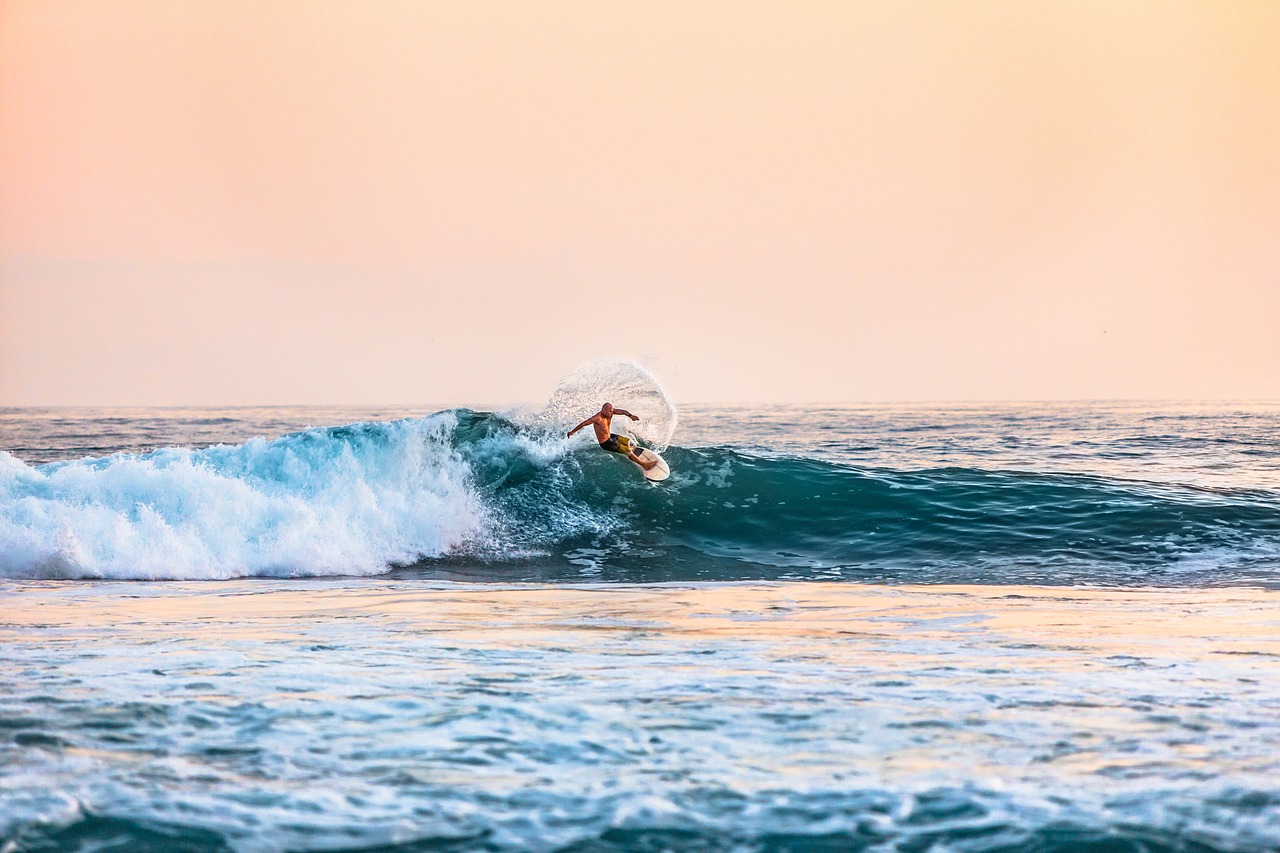
The Gulf beach here is completely different water. You get swell, shorebreak, deep water past the bars, and miles of beach you can drive on. Park on the sand, rig out of the truck and ride.
This isn’t beginner water. If you’re still learning, spend day two on the bay side instead, which stays flatter and more protected. If you can already ride and you’ve never ridden swell before, this is the day to try it.
Check the current beach driving permit rules before you drive onto the sand, and stay well away from the busy access points in summer where swimmers and fishing lines are thick on the ground.
Port A is also where you eat well. There are proper restaurants here, which is a meaningful upgrade on the options near the Seashore.
Day three: read the wind and choose
By now you know what the forecast is doing, so you’ve got three options.
If it’s honking, go back to the flats. Big wind on flat water is the best combination this coast offers and it’s the reason people come here in the first place.
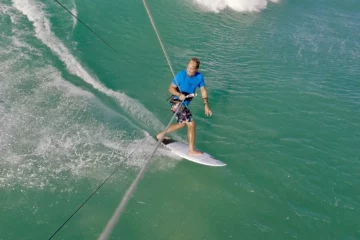
If it’s light, make it a foiling day. A foil rides in wind that a twin tip simply can’t use, and the Laguna is arguably the best foil learning water in the country because you stand up after every fall instead of swimming after your board. If you’ve never tried it, book a lesson and use the light day rather than writing it off.
And if it’s completely dead, you’ve got options that don’t involve staring at your kites. You can fish, or drive down the 60 miles of undeveloped beach at Padre Island National Seashore. The Texas State Aquarium and the USS Lexington are both in Corpus if you’ve got people with you who need entertaining. Or drive down to Malaquite and just look at the Gulf for a while, which is more enjoyable than it sounds.
What to pack
Bring kites across a range of sizes. Spring wants small, summer wants big, and fall wants both, because a frontal day and the day after it are effectively different sports. If you normally ride a 12, bring a 9 as well.
A shorty or boardshorts will do from April through November. In winter you want a 3/2, with boots on the cold frontal days.
Bring sun protection you’d consider excessive, because the reflection off shallow water catches people out badly. Bring more water than you think you need too, since there’s nowhere to buy any at the Seashore.
And bring a foil if you have one. Even one light day makes it worth the space in the car.
If you’d rather not travel with gear at all, lesson gear is included and it’s Cabrinha, so you can fly in with a swimsuit and still ride.
Things that will save you a headache
Cell service at Bird Island is patchy, so check your forecast before you leave pavement.
The parking lot at Bird Island fills up on good spring weekends, so go early or go midweek.
North wind after a front blows offshore at several launches, including parts of the basin. If a front has just come through, ask a local where to go rather than defaulting to your usual spot.
Soft sand is a real hazard. If you’re driving on the beach without four wheel drive, be conservative about where you park.
Building the trip around a lesson
Even if you already ride, a session with someone local is usually the highest value hour of a trip like this. Not necessarily for technique, but because you skip the two days of figuring out where to launch, which direction works where, and what the hazards are.
If you’re learning, plan four days rather than three. That gives you one weather buffer and still leaves three teaching days, which is enough for most people to be riding by the end of it.
Common questions
How many days should I plan for a kiteboarding trip to Corpus Christi?
Three days makes a good long weekend if you already ride. Four or more if you’re learning, so you’ve got a buffer for a day without wind.
What is the best month for a kiteboarding trip to Corpus Christi?
April for maximum wind, or September and October for the best balance of warm water, good wind and small crowds.
Should I stay in Port Aransas or on North Padre Island?
Port Aransas for restaurants, lodging variety and things to do on a no-wind day. North Padre to be closest to the flat water on the Laguna Madre.
Do I need to bring my own gear?
Not if you’re taking lessons, since equipment is included. If you’re riding independently, bring a range of kite sizes, because conditions here swing a lot between seasons and between frontal days.
What is there to do in Corpus Christi when there is no wind?
Fishing, the undeveloped beaches of Padre Island National Seashore, the Texas State Aquarium, the USS Lexington, and the town of Port Aransas. Or take a foil lesson, since a foil rides in wind a kite can’t use.
Let me help you plan it
If you’re putting a trip together and you want a straight opinion on dates, I’m happy to give you one. Call or text (979) 665-5729 or email Jvkiteboarding@gmail.com.
To build a lesson into the trip, look at kiteboarding, wing foiling, foiling or surfing, or just book a session.
Read next: the Bird Island Basin guide, the Port Aransas guide, and the wind season breakdown.